Travelers United tells DOT, “Focus on already started airline passenger protection actions.”
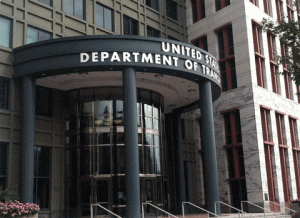 Travelers United sees four areas where the DOT Secretary can change the system and get airline passenger protection actions with the stroke of a pen. We do not want to involve Congressional committees initially. Plenty of action over the past decade can be used to immediately change the status quo. Some of these issues have been part of consumer protection wishes for years. Start action today with the stroke of a pen by DOT Secretary Buttigieg.
1. Include passenger protection actions in the mission of DOT.
DOT Mission: To ensure America has the safest, most efficient and modern transportation system in the world, which boosts our economic productivity and global competitiveness and enhances the quality of life in communities both rural and urban.DOT is also the main consumer protector in the US aviation system. The Department guarantees a forum to process consumer claims and ensures passenger protections.
2. Display consumer rules on posters and videos at airports and on computer-generated boarding passes and flight itineraries. These easy airline consumer wins are the law according to the FAA Act 2024.
3. Common refund and flight credit rules and no flight credit expiration dates. This has been passed already but must be added to the rulebooks.
 Each American network carrier offers different rules and expiration dates for airline flight credits. Southwest Airlines places no time limitation on these flight credits. Some airlines simply apply an expiration date of the end of 2024. Others vary expiration dates. Travelers United supports no expiration dates.
Airlines already get the use of the money for free as long as they hold the flight credits. No justification exists for having pandemic flight credits or any pandemic travel credit expire. The money belongs rightfully to the travel consumer.
Though many think that DOT suffers from hands tied by the airline deregulation act, they do not. DOT can act in the best interests of the country and take necessary action. A simple dictate from DOT similar to the instruction that required airlines to serve all airports during the pandemic suffices. The plague of different airline credits must end. Plus, the credits should not expire, The credit value should function just like a store gift card.
4. Initiate rulemaking for families sitting together. The 2016 and the 2022 FAA bills contain the law.
In a December 4, 2020, post, I noted, “The Department of Transportation (DOT), instructed by Congress to solve this problem through rulemaking, refuses action. However, Elaine Chao, the Secretary of Transportation, clearly challenged Congress.”
Finally, after almost two years of badgering, Secretary Buttigieg’s staff has begun a rulemaking regarding the Families Sitting Together portion of the already-passed FAA Bill of 2016. The bill passed by Congress and signed by the President provides low-hanging fruit.
Not later than 1 year after the date of enactment of this Act, the Secretary of Transportation shall review and, if appropriate, establish a policy directing all air carriers … that enable a child, who is age 13 or under on the date an applicable flight is scheduled to occur, to be seated in a seat adjacent to the seat of an accompanying family member over the age of 13…
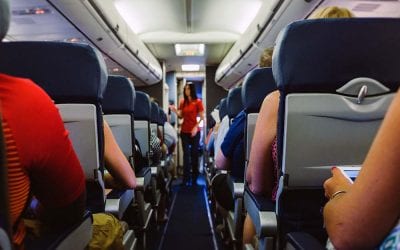
The new DOT rulemaking effort fulfills DOT’s mandate. Congress passed the bill and DOT should start a Department rulemaking. Consumer advocates gathered together with DOT representatives. It appears that a rulemaking to ensure that one adult-age member of each family or chaperone will soon sit next to children 2-13 years old.
However, at a recent Advisory Committee meeting, Travelers United urged faster action, and a simple declaration from the Secretary of Transportation would require airlines to design systems that allow families with minor children to sit together for no additional charge. The best solution would be for airlines to create a solution without DOT regulation.
Secretary Buttigieg, it takes the stroke of a pen to accomplish these four airline consumer wins.
 A clear path to real airline consumer wins is in your hand — your pen. You have just about a month. These low-hanging airline consumer protections already debated or passed by Congress can be enacted immediately. Secretary Buttigieg can move off square one and get some real change in place as soon as possible. Easy, effective airline consumer wins help the entire aviation industry and passengers.
READ ALSO:
3 ways DOT should post basic passenger travel rights at airports
Why we need a common flight credit rule for airlines from DOT, now

Charlie Leocha is the President of Travelers United. He has been working in Washington, DC, for the past 14 years with Congress, the Department of Transportation, and industry stakeholders on travel issues. He was the first consumer representative to the Advisory Committee for Aviation Consumer Protections appointed by the Secretary of Transportation from 2012 through 2018.