by Christopher Elliott
When you travel to out-of-the-way places, beware of the ordinary.
- Forget exotic diseases or wild animals—statistically, the deadliest threat to your international vacation is something you probably do every day without thinking.
- Renting a scooter might look like freedom, but experts warn it is the leading cause of death for many travelers, while others face financial ruin from $132,000 hospital bills they thought their insurance covered.
- From “white-knuckle” bus rides to the myth of the “smooth journey,” discover the boring but life-saving habits that matter more than martial arts skills.
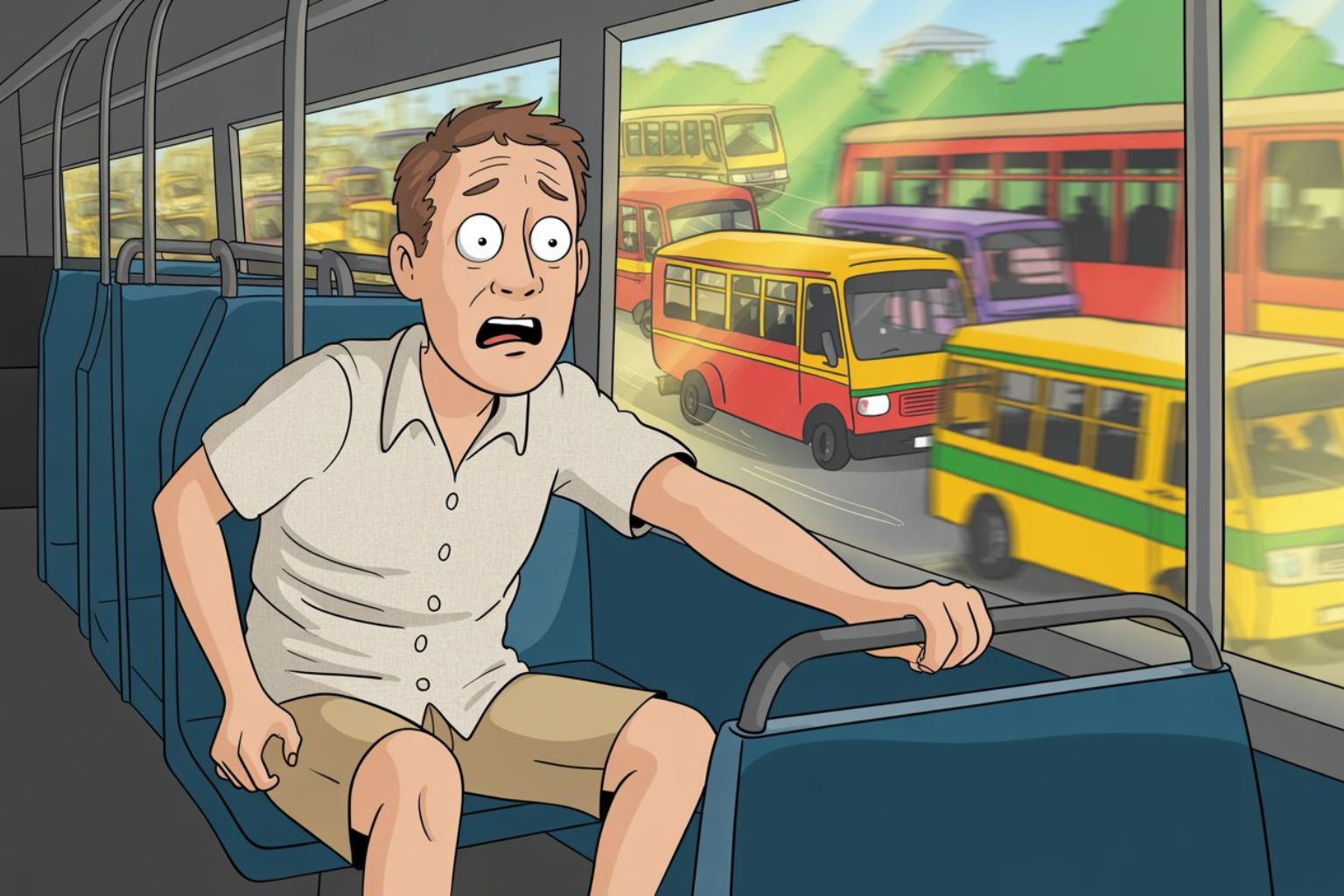
It never crossed my mind that the most dangerous thing in Nairobi would be on the road. A mosquito carrying an exotic disease or a hippopotamus, maybe. But when I boarded a bus — and then gripped the seat in front of me in panic as it nearly collided with several vehicles on the road — I knew I was wrong.
Kenya has a reputation for dangerous traffic. About 3,000 people die on its roads annually, according to one report. That’s about 68 deaths per 10,000 registered vehicles, which is an astonishing 30 to 40 times greater than in highly motorized countries.
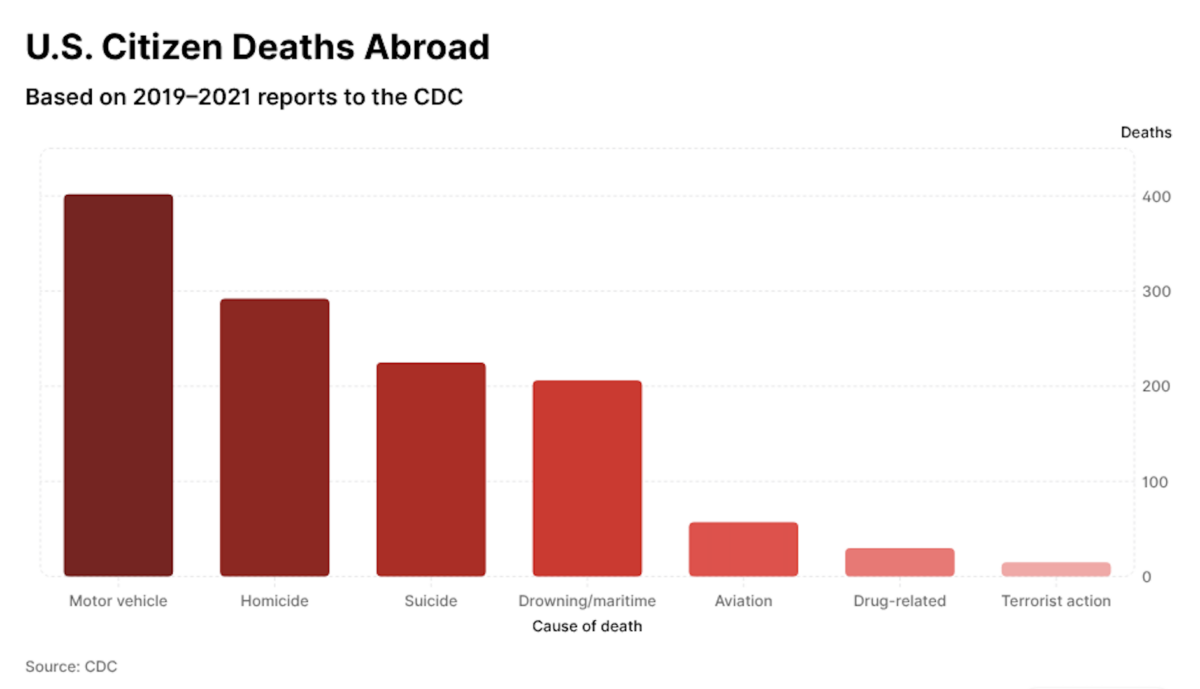
It gets worse. Driving, it turns out, is the most dangerous thing you can do as a traveler. Period.
“Motor vehicle accidents remain the leading cause of fatalities for travelers,” says Bob Bacheler of Flying Angels, a medical transport company.
It’s true, according to the CDC Yellow Book, road accidents are the number one cause of death abroad.
Yet most travelers spend more time researching restaurant reviews than checking local driving laws.
“Travelers frequently let their guard down when it comes to transportation,” explains Deanna Caffrey, a director at Redpoint Travel Protection, “whether it’s hopping into an unlicensed taxi, renting a motorbike without a helmet, or assuming road conditions are the same as back home.”
Neville Mehra, who co-founded travel insurance company Genki after a decade of nomadic travel, puts it bluntly: “Renting a scooter is the leading cause of death among our members who’ve died while traveling.”
That’s not the only dangerous thing travelers do
 But there are other things that are risky for travelers. And they can can ruin your vacation.
“One of the most dangerous things travelers do is forgo travel insurance because they assume nothing will go wrong,” says Joe Cronin, president of International Citizens Insurance.
The assumption costs people dearly. Mehra’s company recently handled a broken ankle claim in Bali that cost $31,011. Appendicitis surgery in Mexico? $34,708. Some hospital bills in Thailand have reached $132,000.
“While a simple doctor visit for the flu might cost $20 in Vietnam, emergency trauma care is much more expensive,” Mehra explains. “Hospitals in other countries can and do refuse treatment without upfront payment.”
Daniel Durazo, a spokesman for Allianz Travel Insurance, sees the aftermath regularly.
“Emergency medical coverage can help arrange and pay for medical care and even get you home if necessary,” he says. “Most U.S. health insurance plans don’t extend internationally.”
Is there a travel safety myth?
So, are we afraid of all the wrong things?
“The most dangerous assumption a traveler can make is that their journey will go smoothly,” says Anton Radchenko, CEO of AirAdvisor. He says airline screw-ups can put you in danger, from separating families to abandoning elderly passengers at the airport.
Susan Sherren, founder of luxury travel agency Couture Trips, says people are unprepared for the dangers of travel. She cites a remarkable statistic: Fully half of all climbers hiking Mount Kilimanjaro experience some form of altitude sickness because of lack of knowledge about acclimatization.
“Imagine if you’ve been training at sea level with your buddies, what a disaster this could turn into,” she says.
In short, people don’t know what to expect — and they aren’t prepared.
Sherren tries to help her clients understand the true dangers of travel and how to avoid them every day. And people are often surprised about what it — and is not — dangerous.
What actually works?
The safety habits that make a difference aren’t glamorous. In fact, they’re boring. And that’s exactly why they work.
Start with research. Not just where to eat, but where the nearest hospital is. What’s the local emergency number? (It’s not always 911.) What are the traffic laws?
“Do your research not just on your final destination, but on any layover cities as well,” advises John Gobbels, Medjet’s chief operating officer. “An airspace closure or local unrest could leave you stranded somewhere you hadn’t planned for.”
Ashley Glinka, a former federal air marshal, emphasizes situational awareness over self-defense gadgets.
“The ability to gauge your surroundings in real time and trust your instincts often proves more crucial than martial arts skills,” she says.
And please, wear your seatbelt.
“Wearing a seatbelt can reduce your risk of fatal injury by 45 percent,” Bacheler notes. “I can’t tell you how many times we’re called to bring U.S. citizens home and the report starts with ‘Unrestrained passenger in Motor Vehicle Collision.’”

Be afraid of this
The most dangerous thing you can do when you travel may not be walking down a dark alley. It’s assuming nothing will go wrong, especially when you get into a taxi or rideshare, or behind the wheel of a rental car.
That assumption leads to skipped insurance, ignored safety research, and other careless decisions. It makes you hop into unvetted taxis, dismiss local warnings, and push physical limits you haven’t tested in years.
“Preparation and mindset keep you safe,” says Lisa Mauretti, a travel coach. “Planning for the unexpected can save much disappointment, pain, and money.”
Ironically, the precautions that actually protect you cost very little. Travel insurance runs 4 to 8 percent of your trip cost. Researching local emergency numbers takes 5 minutes. And wearing a seatbelt costs nothing at all.
As for my white-knuckle bus ride through Nairobi, I survived it. But it left me with an appreciation of the dangers of traveling by road. And, to be honest, I’m much more of a train guy now.
READ ALSO:
Airline myths holding the industry back
Toddlers are vulnerable as recent FBI report shows airline sexual assaults soar

Christopher Elliott is the founder of Elliott Advocacy, a 501(c)(3) nonprofit organization that empowers consumers to solve their problems and helps those who can’t. He’s the author of numerous books on consumer advocacy and writes three nationally syndicated columns. He also publishes the Elliott Report, a news site for consumers, and Elliott Confidential, a critically acclaimed newsletter about customer service. If you have a consumer problem you can’t solve, contact him directly through his advocacy website. You can also follow him on X, Facebook, and LinkedIn, or sign up for his daily newsletter.