Is it working? Not really. There is no change in behavior.

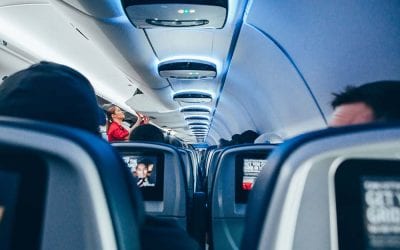
Photos from airports taken during the recent travel period showed that flyers were largely attired in outfits ranging from casual to business casual. They do not show a major change from previous years.
According to the trade organization Airlines for America (A4A), the result is unsurprising, as the target audience for travel has shifted since the period Duffy invoked in the campaign’s launch. The airline organization noted “a flight from Boston to Los Angeles cost $4,810 per person, adjusted for inflation, with a dozen stops in 1941 compared to a nonstop ticket costing $418 in 2018.”
“Economy class was actually nice. Now, everyone is wedged together on planes,” Chris Elliott, a travel expert and consumer advocate, told CBS News. Mr. Elliott has been on scores of airlines in his trips around the world with his sons over the past few years. He writes for his own blog, The Elliott Report, and Travelers United.
Better dressing is not an inherent marker of character.
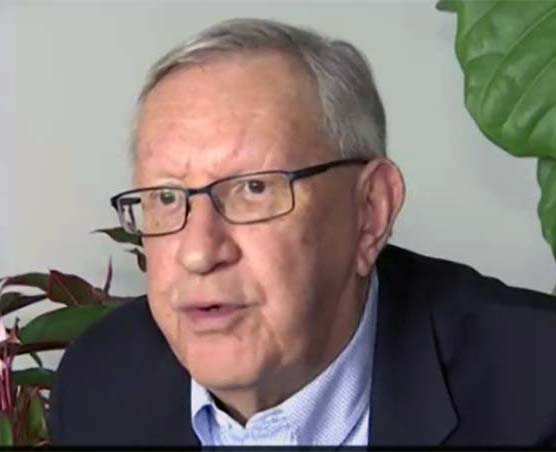
Menswear writer-at-large Derek Guy said people do need to be “cognizant of what messages you’re sending” with the way they dress.
He went on to say that antisocial behavior seems to be universal.
“It’s important to separate out what are the meaningful forms of anti-social behavior,” Guy said. “I think punching someone in the face is anti-social. I think screaming in people’s faces when you’re angry is anti-social. I think calling people names is anti-social. All sorts of things are anti-social. Is wearing sweatpants anti-social? I personally don’t think so.”
Guy did agree with Duffy’s principle of being more courteous when traveling. The DOT’s suggestions on how to do so include: helping a pregnant woman or the elderly with placing their bags in the overhead bin, saying thank you to flight attendants and saying please and thank you in general.
“People should be nicer in general,” Guy said. But then he attached it to the matter of dress. “If you walk to the airport and you are an anti-social person, I don’t think that changes if you put on a suit.”
The “Twitter Menswear Guy” noted that dressing is a form of social language and that it is an “undeniable fact of life” that people are judged by the way they are dressed. However, he argued that it is unfair to make meaningful assumptions of people based on the way they dress.
“I don’t think you should ever judge whether someone is pro-social or anti-social, stupid or incompetent, (or) all of the more meaningful attributes that you can ascribe to a human. I don’t think you should read that off of someone’s dress,” Guy said.
Formality does not necessarily curb incivility.
He pointed to the Royal Ascot race in Britain as an example of where dressing well doesn’t stop incivility. Everyone wears a coat and tie. Fights regularly break out among the inebriated attendees. The Department of Transportation aims to “restore courtesy and class to air travel.” Who is fooling whom?
READ ALSO:
Global Entry suspended by DHS. PreCheck continues.
How airlines often penalize early birds

Charlie Leocha is the President of Travelers United. He has been working in Washington, DC, for the past 14 years with Congress, the Department of Transportation, and industry stakeholders on travel issues. He was the first consumer representative to the Advisory Committee for Aviation Consumer Protections appointed by the Secretary of Transportation from 2012 through 2018.