It took 4 norovirus outbreak cruises on the National Geographic Sea Bird within about 2 months for the CDC to halt the ship’s sailings so it could be fully sanitized to make it safe for passengers.
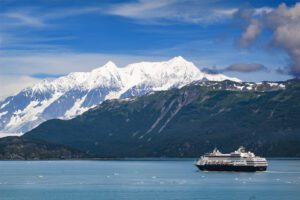 In late May, the National Geographic Sea Bird, run by Lindblad Expeditions, a 70-passenger, 24-crew-member expedition vessel, had confirmed Norovirus outbreak cruises.
The small ship had 13.6 percent of the passengers and 12.5 percent of the crew who became ill with norovirus. They exhibited the predominant symptoms of vomiting and diarrhea.
Norovirus is highly contagious and can make people extraordinarily ill.
The virus causes vomiting and diarrhea. It’s been incorrectly called “stomach flu.” Norovirus is unrelated to influenza. It causes acute gastroenteritis, an inflammation of the stomach or intestines. Most people with norovirus get better within three days, according to public health experts. Norovirus victims can spread the disease even a week or two after they feel better.
Symptoms of the virus hit about 12 to 48 hours after exposure. The typical symptoms are diarrhea, vomiting and stomach pain. About ten years ago on a cruise, I had each of those symptoms at once from norovirus. Other symptoms include fever, headache and body aches. I had them too.
If you become infected with norovirus you can feel extraordinarily ill. With repeated vomiting and diarrhea you can become dehydrated. That’s particularly true for kids and older adults, plus those with a weakened immune system. If you find you have decreased urination, dry mouth and/or throat, dizziness when you stand or are unusually sleepy or fussy, you’re likely dehydrated and you need to take in fluids, plenty of fluids.
In response to this outbreak, the ship reported that they increased cleaning and disinfection procedures. It isolated ill passengers and crew. It consulted with personnel at the Centers for Disease Control and Prevention’s (CDC) Vessel Sanitation Program (VSP). Along with monitoring the situation, the VSP reviewed the ship’s outbreak response and sanitation procedures.
Déjà vu, a French phrase meaning “already seen,” is an expression adopted into the English language.
In late June, the National Geographic Sea Bird was stricken with a confirmed norovirus outbreak. During this outbreak, norovirus hit 28 percent of the ship’s passengers and 7.4 percent of the crew with the predominant symptoms of vomiting and diarrhea.
Can you say Déjà vu?
 Norovirus spreads very easily and very quickly in different ways. You can get norovirus via direct contact with someone infected with it. Caring for infected individuals, sharing food or eating utensils with them, or eating food they have handled can spread the disease. Eating food or drinking liquids that are contaminated with norovirus is another major source of the virus. Finally, touching contaminated objects or surfaces and then putting your unwashed fingers in your mouth can quickly spread the virus.
In response to this outbreak, the CDC reported that Lindblad essentially repeated what they did after the May outbreak.
In mid-July, the Sea Bird was stricken again by gastrointestinal (GI) illness with vomiting and serious abdominal cramps as the predominant symptoms. While it hasn’t yet been confirmed, there is little doubt that the cause of 29 percent of passengers and 3.9 percent of crew becoming seriously ill on the cruise was norovirus. Samples have been sent to the CDC for confirmation. The results are due soon.
Can you say Déjà vu again?
This was the third gastrointestinal illness outbreak in seven weeks on the National Geographic Sea Bird. Following the third GI outbreak, Lindblad Expeditions and the crew aboard the ship further increased cleaning and disinfection procedures, isolated ill passengers and crew, collected stool specimens from sick passengers and crew for testing and once again consulted with VSP. For the third time the CDC’s VSP remotely monitored the situation and reviewed the ship’s outbreak response and sanitation procedures.
In baseball, it’s “three strikes and you’re out.” Over at the CDC it’s merely business as usual, even after three GI outbreaks in seven weeks on the same ship.
The Sea Bird, following its third 2026 cruise with the gastrointestinal illness, left on its next cruise on the same day that the prior cruise with the disease ended, July 15.
For the fourth time in about eight weeks, the ship was stricken again by gastrointestinal illness. Diarrhea, vomiting, and abdominal cramps were the symptoms. While it hasn’t yet been confirmed, there would seem to be little doubt that norovirus is the cause of 14 percent of the passengers and 19 percent of the crew becoming seriously ill. Samples have been sent to the CDC for confirmation. The results are due soon.
The CDC VSP program requires it to publicly report GI illness outbreaks when three percent or more of a ship’s passengers and crew members report having the illness’ symptoms to the ship’s medical staff and the ship is within three days of arriving at a U.S. port. While the CDC might not have wanted to report the small numbers of infected passengers and crew or take decisive action, because the Sea Bird is so small, that type of thinking does a large disservice to the VSP and the passengers who deserve to sail on safe ships.
Can you say Déjà vu for the third time?
Following the fourth gastrointestinal outbreak, Lindblad expeditions further increased cleaning and disinfection procedures according to their outbreak prevention and response plan. They isolated ill passengers and crew and once again consulted with VSP about sanitation cleaning procedures and reporting ill cases. For the third time, the CDC’s VSP remotely monitored the situation. They reviewed the ship’s outbreak response and sanitation procedures.
This time, however, the CDC VSP also paused passenger operations and suggested public health strategies to mitigate further transmission of the norovirus to passengers and crew. Finally, the CDC took decisive action.
Why did it take four gastrointenstinal outbreaks in two months on the same ship before the CDC halted cruises on the National Geographic Sea Bird? Why did Lindblad Expeditions wait so long to halt cruises on their ship due to norovirus recurrences?
Surely after three GI outbreaks on one ship in seven weeks, either the CDC or Lindblad or both should have halted the Sea Bird’s cruises to give the crew time for a comprehensive total sanitation of the ship.
According to reports, Lindblad sent an email on July 14 to passengers of the July 15 Sea Bird sailing. This missive was likely sent well after most passengers had already arrived at the port of embarkation. They were on their way. The email mentioned that GI illness was “heightened” during the Alaska travel season, but didn’t mention anything about the Sea Bird itself. This was a failure of transparency.
Congress must investigate the CDC’s irresponsible lack of prompt action to make the Sea Bird safe.
I call upon Congress to investigate the sad state of affairs with the Lindblad Sea Bird, as Lindblad’s lack of fair dealing with its customers is wrong. The Trump Administration’s CDC’s VSP’s irresponsible lack of prompt action to protect the cruising public is unforgivable. It is long overdue for a Congressional investigation into the CDC and its Vessel Sanitation Program.

(Image: Cruising at the Hubbard Glacier, Alaska Copyright © 2022 NSL Photography. All Rights Reserved.
READ ALSO:
Why female crash dummies have a tiny place in safety testing today
Pamplona Fiesta: Reasons to return

After many years working in corporate America as a chemical engineer, executive and eventually CFO of a multinational manufacturer, Ned founded a tech consulting company and later restarted NSL Photography, his photography business. Before entering the corporate world, Ned worked as a Public Health Engineer for the Philadelphia Department of Public Health. As a well known corporate, travel and wildlife photographer, Ned travels the world writing about travel and photography, as well as running photography workshops, seminars and photowalks. Visit Ned’s Photography Blog and Galleries.